
Create a 3D asset
English

Explained: what is kaedim 3d models in a creative workflow?

If you are asking what is kaedim 3d models, the short answer is that Kaedim is associated with turning visual references into three-dimensional assets. The useful distinction is between an image that shows an object and a model you can inspect and work on in 3D.

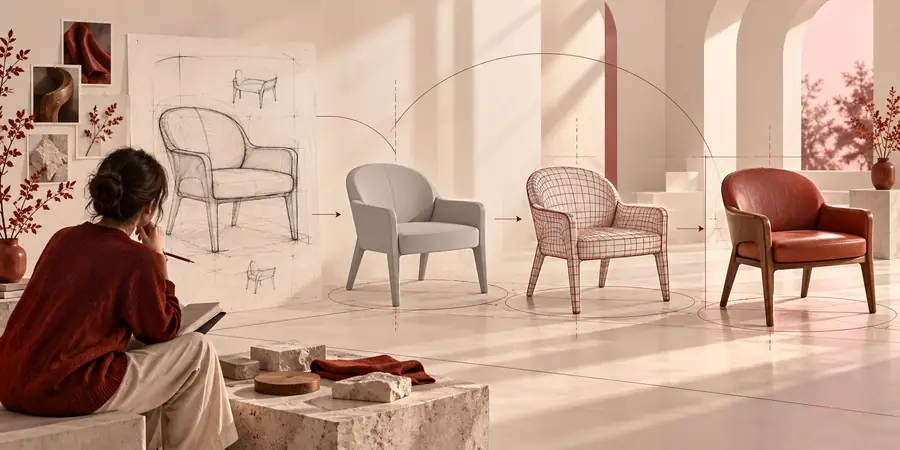
Three-dimensional creative work shown in the site's hero image

Think of Kaedim as part of the path from a visual idea to a 3D asset, not as a substitute for deciding how that asset should be built or used.

How it works across creative roles

The same image-to-3D idea serves different purposes. What counts as a useful model depends on what the next person needs to do with it.

Concept artist

A drawn prop has a clear silhouette but no view from behind.

A 3D interpretation can expose unanswered shape questions before the design is finalized. Kaedim is a starting point for discussion, not proof that hidden details match the artist's intent.

kaedim examples 2022
Game artist

A team needs to judge whether a prop reads well from several camera angles.

An early model helps with visual evaluation; topology, scale and suitability for the game still need inspection.

kaedim ai

Product designer

A product image communicates appearance but leaves proportions open to interpretation.

A three-dimensional draft makes those proportions easier to discuss, while measured specifications remain a separate requirement.

kaedim online

New 3D creator

A beginner wants to understand the journey from reference image to editable asset.

Starting with a simple object makes it easier to spot what a model captures and what needs manual correction.

how to use kaedim for beginners

How it works

The practical workflow is reference, interpretation, then review. Treat each stage as a chance to reduce ambiguity.

  1. 1

    Choose a clear reference

    Start with an image whose subject is easy to distinguish from its background. If exact dimensions, unseen surfaces or construction details matter, record them separately rather than expecting the picture to supply them.

  2. 2

    Create a 3D interpretation

    An image-to-3D workflow estimates depth and form from visual clues. Kaedim-related searches often focus on this transition, but a single view cannot fully specify every surface of an object.

  3. 3

    Inspect the model for its intended use

    Rotate the result and compare its silhouette, proportions and missing details with the reference. Before using any 3D models downstream, check the actual asset's geometry and other properties in the software where it will be used.

What it can and cannot do

A plausible-looking 3D result can be useful without being a complete production asset. These limits matter most when the reference leaves something unseen.

  • It cannot reveal hidden geometry

    A front-facing image does not establish the exact back, underside or interior. Any 3D interpretation of those areas involves assumptions.

    WorkaroundProvide additional views or revise the model against a design brief.

  • It cannot establish real-world measurements

    Pixels alone do not confirm physical scale or manufacturing tolerances, even when the object looks proportionate.

    WorkaroundUse dimensioned drawings and verify measurements in your 3D application.

  • It cannot guarantee production readiness

    A model that works for visual review may not meet requirements for animation, fabrication or a particular game pipeline.

    WorkaroundInspect topology, materials and any required deliverables before committing it to production.

A reference image versus a 3D model

This comparison explains what changes when a visual reference becomes a spatial asset; it does not promise that every Kaedim result has the same properties.

1

Viewpoint

Reference image

Shows the viewpoint captured or drawn

3D model

Can be inspected from other viewpoints

2

Depth

Reference image

Suggests depth through visual cues

3D model

Represents surfaces in three-dimensional space

3

Unseen areas

Reference image

Leaves them unspecified

3D model

Must include or account for them, potentially through interpretation

4

Editing

Reference image

Changes are made to the picture

3D model

Shape changes are made to the asset

5

Scale

Reference image

Needs an external measurement reference

3D model

Can be measured after its scale is established

6

Review

Reference image

Useful for judging composition and appearance

3D model

Useful for checking form and proportions from multiple angles

From concept view to spatial review

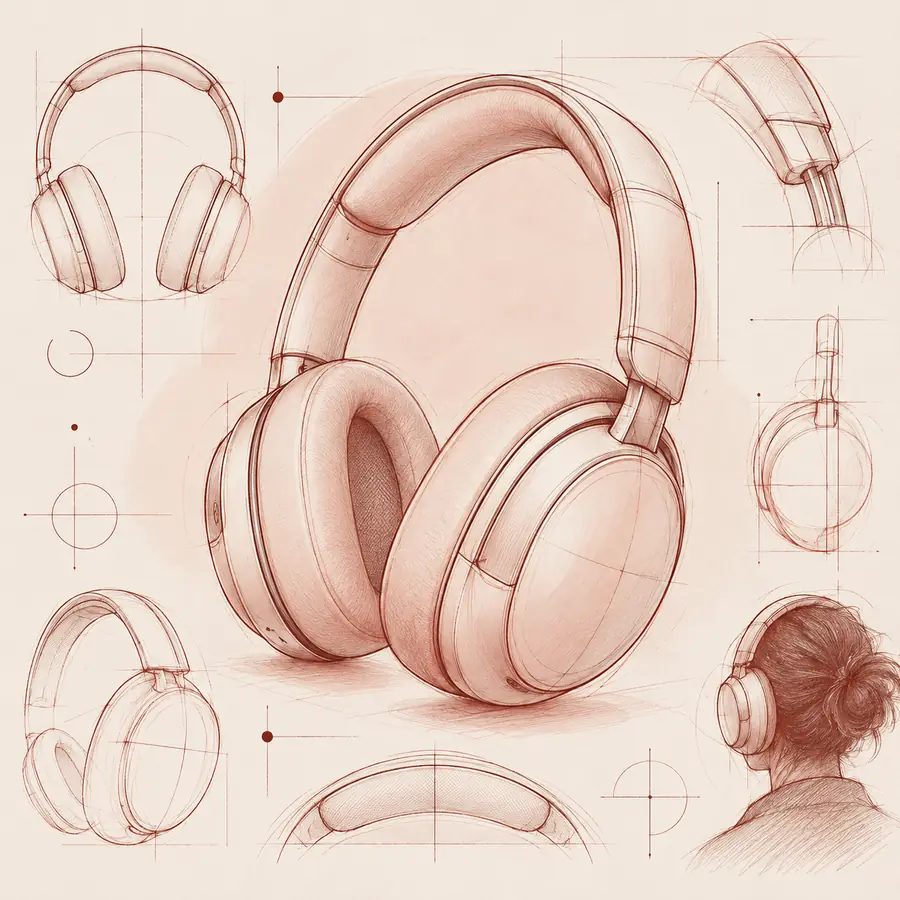
  • Visual concept
  • 3D depiction

These images illustrate the difference between a drawn concept and a 3D depiction. They are not evidence that the second image was generated from the first or produced by Kaedim.

Line-drawing concept of over-ear headphones
Three-dimensional depiction of over-ear headphones

Who uses it

Explore the next step in 3D

Artists, designers and beginners can all benefit from seeing an idea in three dimensions, but they may judge the resulting 3D models by different standards. Decide whether you need a quick shape study or an asset that satisfies a specific workflow, then examine the available creation options.

Explore 3D creation
  • Bring a clear visual reference
  • Identify details the image cannot show
  • Review the resulting asset for your intended use

Frequently asked questions

Kaedim is associated with creating 3D assets from visual references. The key idea is moving from a flat depiction of an object to a form that can be examined in three-dimensional space.

Usually not. A single image leaves hidden surfaces and exact depth uncertain, so a model based on it needs interpretation and review.

Not automatically. Check the actual model against your project's requirements for shape, scale, geometry and materials before using it downstream.

Begin with a clear picture of one subject and note any dimensions or features that the picture does not show. Keep your intended use in mind so you know which parts of a result deserve the closest inspection.

Create a 3D asset
Create a 3D asset