Kaedim online is a search for a way to move from a visual reference toward a usable 3D asset. This guide covers what to prepare, what to inspect, and where a browser-based workflow still needs your judgment. The button opens a separate 3D service, not Kaedim’s official workspace.
Three checks a browser workflow cannot skip
Getting a model on screen is only part of the job. Keep these limits in mind before treating any generated shape as a finished asset.
A single view cannot reveal hidden surfaces
A front-facing image leaves the back, underside, and internal structure open to interpretation. Plausible geometry is not the same as an accurate reconstruction.
WorkaroundSupply additional views or a dimensioned sketch when those details matter.
An attractive preview does not prove clean geometry
Silhouettes can look convincing while edges, intersections, or surface density make the model difficult to edit or animate.
WorkaroundInspect the asset in a 3D editor and revise its geometry for the intended use.
Materials and scale need independent checks
An image may suggest metal, fabric, or glass without defining physical properties or real-world dimensions.
WorkaroundRecord measurements and material references separately, then verify both in the destination scene.
Move from reference to inspected model
Treat the process as a short review loop rather than a one-click finish.
1
Choose a readable reference
Start with one clearly isolated subject. Note its distinctive parts, proportions, and any surfaces the image does not show. A plain background can make the intended silhouette easier to judge.
2
Describe the intended asset
Specify the object, its major components, and the style you want to assess. If you need a particular construction or scale, keep that requirement in your brief rather than assuming the reference communicates it.
3
Review before reuse
Rotate the result and compare it with the reference. Check missing parts, uneven proportions, intersections, and surfaces that will be visible in your final scene. Plan further editing where those checks expose gaps.
If you are deciding whether an online route fits your project, these adjacent guides separate the basics, the generation questions, and the first-use workflow.
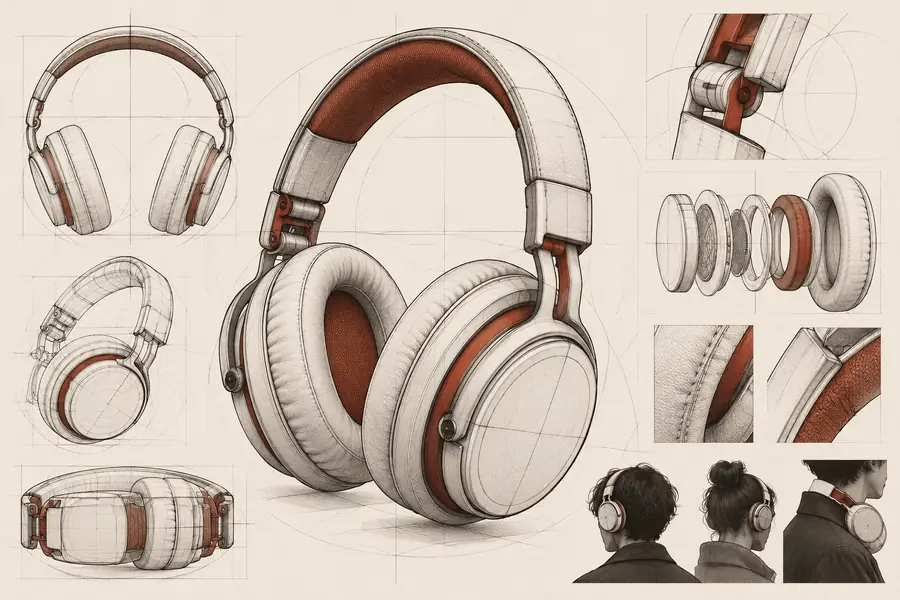
Compare the reference with the intended result
A visual comparison helps identify which forms must survive the move into three dimensions.
Reference concept
3D presentation
These images illustrate a reference and a 3D presentation. They do not establish that the pictured model was generated from the pictured drawing or verify its geometry.
Where the limits matter most
The right review depends on what you plan to do with the asset after it appears in a browser.
Concept artist
You want to test whether a drawn object reads clearly from another angle.
Check silhouette and missing surfaces before investing in detailed modeling. The guide to kaedim examples 2022 offers a separate way to think about visual examples.
You need a prop that can move beyond a static preview.
Inspect geometry, scale, and editability in your own toolchain. Kaedim reviews can help frame questions to ask, but cannot replace testing the asset yourself.
You are comparing routes for turning a product brief into a visual concept.
Keep measurements and component requirements alongside the image. The kaedim alternative reddit guide focuses on comparison criteria rather than assuming every route works alike.
Write down the subject, its major parts, and the details you will inspect afterward. Use the linked service to explore a 3D creation workflow, then assess any result against your own reference and intended use. It is a separate destination from Kaedim.
If you are looking for Kaedim online, check Kaedim’s current official site for its available access options. The action on this page opens a separate 3D service and should not be mistaken for an official Kaedim session.
Choose a clear image or write a brief that identifies the object and its main parts. Add alternate views and measurements when the back, underside, or exact scale matters.
Do not assume that a convincing preview is ready for either use. Check the geometry, scale, surfaces, and editability in the software where the asset will actually be used.
Compare its silhouette, proportions, and distinctive components from several angles. Pay special attention to surfaces absent from the original image, because those areas may reflect an interpretation rather than a known shape.